

เกมออนไลน์แบบเล่นหลายคนกับมิตรภาพในยุคดิจิทัล

เกมออนไลน์แบบเล่นหลายคนกับมิตรภาพในยุคดิจิทัล

multiplayer online games and friendship เป็นหัวข้อที่น่าสนใจในโลกดิจิทัลปัจจุบัน เนื่องจากการเล่นเกมออนไลน์ไม่เพียงแต่เป็นกิจกรรมที่ช่วยให้คนผ่อนคลาย แต่ยังเป็นโอกาสในการสร้างมิตรภาพและเชื่อมโยงกับผู้คนจากทั่วทุกมุมโลก การแข่งขันและการทำงานร่วมกันในเกมออนไลน์ได้สร้างชุมชนใหม่ ๆ ที่ผู้เล่นสามารถแบ่งปันประสบการณ์และเรียนรู้จากกันและกัน

ความสำคัญของมิตรภาพในเกมออนไลน์

การสร้างมิตรภาพใน multiplayer online games and friendship มีความสำคัญอย่างยิ่ง เพราะการเล่นเกมร่วมกับผู้เล่นคนอื่นสามารถทำให้เกิดความรู้สึกของการเป็นส่วนหนึ่งของชุมชน การมีเพื่อนร่วมทีมหรือคู่แข่งที่น่าเชื่อถือสามารถเพิ่มความสนุกสนานและสร้างประสบการณ์ที่น่าจดจำ

การเล่นเกมร่วมกับเพื่อนยังช่วยลดความเครียดและสร้างความรู้สึกของการสนับสนุนกันและกัน นอกจากนี้ยังมีการพูดคุยและแลกเปลี่ยนความคิดเห็นที่สามารถช่วยให้ผู้เล่นพัฒนาทักษะและกลยุทธ์ต่าง ๆ ในการเล่น การมีคนที่มีความสนใจเดียวกันช่วยสร้างความสัมพันธ์ที่ยั่งยืนและมีคุณค่า

แพลตฟอร์มเกมที่สร้างมิตรภาพ

หลายแพลตฟอร์มเกมออนไลน์ในปัจจุบันได้พัฒนาฟีเจอร์ที่เอื้อต่อการสร้างมิตรภาพ เช่น ระบบการเพิ่มเพื่อน ระบบแชท และการสร้างกลุ่ม ร่วมถึงฟีเจอร์การเล่นร่วมกันในหลากหลายรูปแบบ

  • Discord: แพลตฟอร์มการสื่อสารที่ช่วยให้ผู้เล่นสามารถสร้างเซิร์ฟเวอร์สำหรับเกมเฉพาะ และทำให้การสื่อสารระหว่างผู้เล่นสะดวกขึ้น
  • Steam: นอกจากจะเป็นแพลตฟอร์มสำหรับซื้อเกมแล้ว ยังมีระบบการเพิ่มเพื่อนที่ช่วยให้ผู้เล่นสามารถติดตามเกมที่เพื่อนเล่นอยู่ได้
  • Epic Games Store: มีฟีเจอร์การแจกเกมฟรีที่จะช่วยให้ผู้เล่นใหม่ก้าวเข้าสู่โลกของเกมและสามารถสร้างมิตรภาพได้ง่ายขึ้น

กรณีศึกษา: ชุมชนในเกมออนไลน์

หลายเกมออนไลน์ได้สร้างชุมชนที่เข้มแข็งซึ่งเต็มไปด้วยมิตรภาพและการสนับสนุน ตัวอย่างเช่น เกม Fortnite ซึ่งมีผู้เล่นจากทั่วโลกเข้ามาร่วมแข่งขันและทำภารกิจ สามารถสร้างกลุ่มที่มีความสนใจเดียวกันและทำงานร่วมกันเพื่อบรรลุเป้าหมายในเกม

นอกจากนี้ยังมีเกมอย่าง World of Warcraft ที่มีการสร้างกิลด์หรือกลุ่มผู้เล่นที่มีจุดมุ่งหมายเดียวกัน การเป็นสมาชิกในกิลด์ช่วยให้ผู้เล่นสามารถทำกิจกรรมได้มากขึ้นและสร้างมิตรภาพที่มั่นคง รวมถึงการช่วยเหลือกันในเกมและการนัดหมายเพื่อเล่นเกมอย่างสม่ำเสมอ. For more on this topic, see slot.

อิทธิพลของการเล่นเกมต่อมิตรภาพในชีวิตจริง

multiplayer online games and friendship ไม่เพียงแต่ส่งผลดีต่อความสัมพันธ์ในโลกเสมือนจริง แต่ยังมีอิทธิพลต่อความสัมพันธ์ในชีวิตจริงด้วย ผู้เล่นหลายคนได้พบปะและสร้างมิตรภาพที่แข็งแกร่ง จนอาจพัฒนาสู่การพบกันในชีวิตจริง หรือร่วมกิจกรรมที่ไม่ได้เกี่ยวข้องกับเกม

การมีเพื่อนจากเกมสามารถช่วยสร้างความมั่นใจและสนับสนุนทางอารมณ์อย่างมาก ช่วยให้ผู้เล่นรู้สึกว่าตนไม่โดดเดี่ยวและมีคนที่เข้าใจและสนับสนุนพวกเขาในด้านต่าง ๆ ของชีวิต เช่น การทำงาน การเรียน หรือการเผชิญหน้ากับความท้าทายต่าง ๆ

การพัฒนามิตรภาพผ่านการแข่งขัน

การแข่งขันใน multiplayer online games and friendship เป็นอีกหนึ่งมิติที่ช่วยสร้างความสัมพันธ์ที่แน่นแฟ้น ผู้เล่นที่เข้าร่วมการแข่งขันหรืออีสปอร์ตมักจะมีประสบการณ์ร่วมกันที่เข้มข้น ซึ่งสามารถสร้างความผูกพันและความเข้าใจที่ลึกซึ้งมากขึ้น

การทำงานเป็นทีมในระหว่างการแข่งขันหรือการฝึกซ้อมช่วยสร้างความไว้วางใจและความสามารถในการสื่อสารที่มีประสิทธิภาพ การเรียนรู้จากความผิดพลาดร่วมกันยังช่วยให้ทีมเติบโตไปพร้อมกันและพัฒนาความสัมพันธ์ที่แข็งแกร่งยิ่งขึ้น

ในปัจจุบัน เกมออนไลน์ไม่ใช่แค่ช่องทางในการสนุกสนานเพียงอย่างเดียว แต่ยังเป็นพื้นที่สำหรับการสร้างมิตรภาพที่มีคุณค่าและยั่งยืน multiplayer online games and friendship จึงเป็นหัวข้อที่มีความสำคัญต่อการพัฒนาความสัมพันธ์ในยุคดิจิทัล ผู้เล่นสามารถพบเพื่อนใหม่และสร้างเครือข่ายทางสังคมที่หลากหลาย และในขณะเดียวกันก็ได้เรียนรู้ทักษะใหม่ ๆ ที่สามารถนำไปใช้ในชีวิตจริงได้อย่างมีประสิทธิภาพ
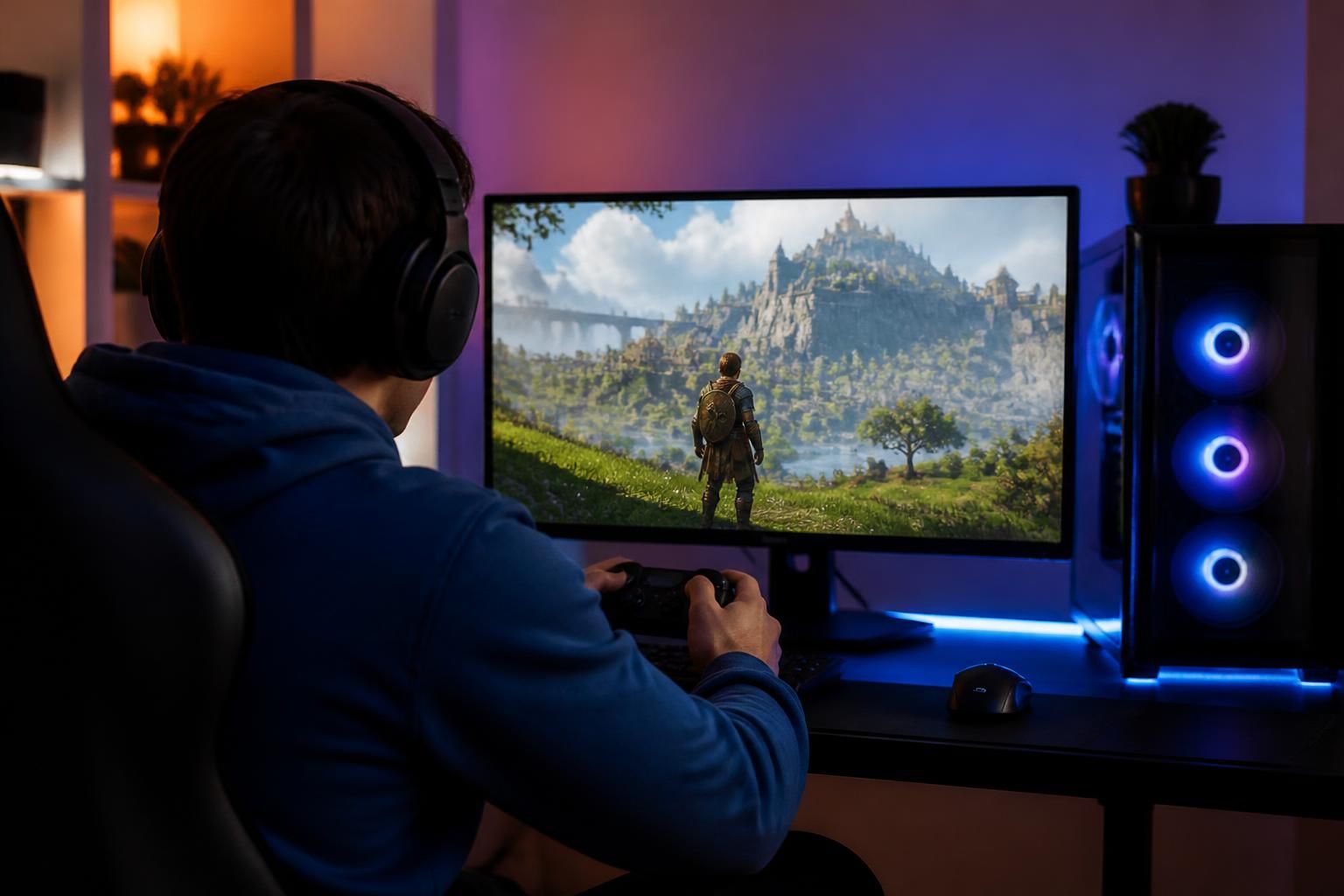
วิธีที่นักออกแบบเกมทำให้ผู้เล่นมีส่วนร่วมอย่างต่อเนื่อง

วิธีที่นักออกแบบเกมทำให้ผู้เล่นมีส่วนร่วมอย่างต่อเนื่อง

วิธีที่นักออกแบบเกมทำให้ผู้เล่นมีส่วนร่วมอย่างต่อเนื่องเป็นหนึ่งในปัจจัยที่กำหนดความสำเร็จของเกมในตลาดที่เต็มไปด้วยการแข่งขัน เทคโนโลยีที่เติบโตอย่างรวดเร็วและความต้องการที่เปลี่ยนแปลงไปของผู้เล่นทำให้การสร้างประสบการณ์ที่น่าดึงดูดเป็นเรื่องที่ท้าทาย นักออกแบบเกมต้องใช้กลยุทธ์และเทคนิคหลากหลายเพื่อทำให้ผู้เล่นรู้สึกต้องการกลับมาเล่นอีกครั้ง บทความนี้จะสำรวจวิธีการที่นักออกแบบเกมสร้างความมีส่วนร่วมและการตัดสินใจที่สำคัญในกระบวนการออกแบบเกม

การสร้างกลไกการเล่นที่น่าสนใจ

กลไกการเล่น (game mechanics) เป็นรากฐานของประสบการณ์การเล่นเกมที่มีคุณภาพ นักออกแบบจะต้องพิจารณาให้รอบคอบว่าเกมจะมีรูปแบบการเล่นอย่างไร เช่น การต่อสู้ การสำรวจ หรือการแก้ปริศนา หลายเกมเลือกที่จะใช้กลไกที่สามารถปรับปรุงได้ เช่น การเก็บคะแนน การได้รับรางวัล หรือการปลดล็อกความสำเร็จต่าง ๆ เพื่อกระตุ้นความรู้สึกของการพัฒนาต่อยอด

ยกตัวอย่างเช่น ในเกมอย่าง The Legend of Zelda: Breath of the Wild ผู้เล่นจะมีโอกาสสำรวจโลกกว้างและค้นพบเควสต์ใหม่ ๆ ที่นำไปสู่การพัฒนาเรื่องราวและความสามารถของตัวละคร ในขณะที่สามารถเลือกแนวทางการเล่นได้ตามที่ต้องการ ซึ่งทำให้ผู้เล่นรู้สึกว่าตนเองมีอำนาจในการตัดสินใจและสร้างประสบการณ์ที่เป็นเอกลักษณ์

การใช้ระบบรางวัลและแรงจูงใจ

การสร้างระบบรางวัลที่น่าสนใจเป็นอีกหนึ่งกลยุทธ์ที่นักออกแบบเกมใช้เพื่อทำให้ผู้เล่นมีส่วนร่วมอย่างต่อเนื่อง ระบบรางวัลสามารถเป็นทั้งทางกายภาพ เช่น รางวัลในเกม หรือทางจิตใจ เช่น ความรู้สึกพอใจที่ได้รับจากการประสบความสำเร็จ

ตัวอย่างที่เด่นคือเกม ที่มีระบบการเลื่อนระดับซึ่งทำให้ผู้เล่นมีเป้าหมายในการพัฒนาและได้รับรางวัลใหม่ ๆ ที่ช่วยเสริมสร้างความตื่นเต้น หากผู้เล่นรู้สึกว่าความพยายามของตนมีค่า พวกเขาจะมีแนวโน้มที่จะกลับมาเล่นอีกครั้งเพื่อเข้าถึงระดับและรางวัลที่สูงขึ้น

การสร้างชุมชนและการมีส่วนร่วมกับผู้เล่น

อีกหนึ่งวิธีที่นักออกแบบเกมทำให้ผู้เล่นมีส่วนร่วมคือการสร้างชุมชนรอบเกม ซึ่งเป็นพื้นที่ที่ผู้เล่นสามารถแลกเปลี่ยนความคิดเห็น หรือแชร์ประสบการณ์ของตนได้ การมีชุมชนที่เข้มแข็งสามารถทำให้ผู้เล่นมีความรู้สึกเชื่อมโยงกับเกมและส่งผลให้เกิดการติดตามความเคลื่อนไหวของเกมอย่างต่อเนื่อง

การใช้โซเชียลมีเดียและแพลตฟอร์มเฉพาะทาง เช่น Discord หรือ Reddit ช่วยให้ผู้เล่นสามารถพูดคุยและแลกเปลี่ยนข้อมูลในลักษณะนี้ได้ ยกตัวอย่างเช่น เกม ซึ่งไม่ได้เป็นเพียงเกมที่ให้ความสนุกสนาน แต่ยังสร้างกิจกรรมที่มีการจัดการแข่งขันและอีเวนต์ต่าง ๆ ที่ทำให้ผู้เล่นมารวมตัวกัน และมีส่วนร่วมในชุมชนที่เข้มแข็ง. For more on this topic, see ez casino.

การปรับปรุงและพัฒนาเนื้อหาอย่างต่อเนื่อง

การอัปเดตและพัฒนาเนื้อหาใหม่ ๆ สำหรับเกมเป็นสิ่งสำคัญที่นักออกแบบเกมต้องคำนึงถึง เพื่อทำให้ผู้เล่นรู้สึกว่ามีอะไรใหม่ ๆ รออยู่เสมอ การเพิ่มเนื้อหาใหม่ เช่น ตัวละครใหม่ โหมดเกมใหม่ หรือกิจกรรมต่าง ๆ สามารถช่วยดึงดูดผู้เล่นกลับสู่เกมได้

เกม เป็นตัวอย่างที่ดี โดยมีการออกแบบซีซันใหม่ ๆ ที่นำเสนอผู้เล่นกับตัวละครใหม่และกลไกการเล่นที่สดใหม่ ซึ่งทำให้ผู้เล่นรู้สึกตื่นเต้นและต้องการกลับมาเล่นเพื่อสำรวจเนื้อหาใหม่ ๆ ที่ถูกเพิ่มเข้ามา

การศึกษาข้อมูลจากผู้เล่น

การรับฟังความคิดเห็นและการวิเคราะห์ข้อมูลจากผู้เล่นคือการปฏิบัติที่นักออกแบบเกมต้องไม่มองข้าม ข้อมูลที่ได้จากการสำรวจและการวิเคราะห์สามารถช่วยให้นักออกแบบเข้าใจว่าผู้เล่นชอบอะไรหรือไม่ชอบอะไรในเกม และสามารถนำข้อมูลเหล่านี้มาปรับปรุงเกมให้ตอบสนองความต้องการของผู้เล่นได้ดียิ่งขึ้น

การมีเครื่องมือในการติดตามพฤติกรรมของผู้เล่นช่วยทำให้การตัดสินใจในการพัฒนาเกมมีความแม่นยำมากขึ้น เช่น การใช้เทคโนโลยีการวิเคราะห์ข้อมูลเพื่อดูว่าเกมมีส่วนใดที่ทำให้ผู้เล่นเลิกเล่นหรือกลับมาเล่นอีกครั้ง ซึ่งข้อมูลเหล่านี้สามารถช่วยสร้างประสบการณ์ที่ดีกว่าเดิม

โดยรวมแล้ว การออกแบบเกมที่มีประสิทธิภาพจำเป็นต้องพิจารณาในหลายมิติ ตั้งแต่กลไกการเล่นที่น่าสนใจไปจนถึงการสร้างความสัมพันธ์กับผู้เล่น สุดท้ายแล้ว วิธีที่นักออกแบบเกมทำให้ผู้เล่นมีส่วนร่วมอย่างต่อเนื่องนั้นคือการผสมผสานระหว่างศาสตร์และศิลป์ การเข้าใจผู้เล่นและการคิดค้นนวัตกรรมใหม่ ๆ จะทำให้เกมประสบความสำเร็จในโลกที่เต็มไปด้วยการแข่งขันนี้

Managing Shipping Costs For Heavy Wholesale Makeup Pallets

1. Understanding LTL Freight Classifications and Pallet Density

Shipping heavy wholesale makeup pallets requires a solid understanding of Less-Than-Truckload (LTL) freight dynamics, where shipping rates are heavily driven by weight and density. Cosmetic pallets—dense with compact powders, glass bottles, metal pans, and protective cardboard—can quickly weigh between Wholesale Headwear Pallets 500 to 1,500 pounds despite taking up relatively small physical space. Freight carriers assign freight classes based on National Motor Freight Classification (NMFC) guidelines, considering density, stowability, handling, and liability. Resellers who accurately measure pallet dimensions and calculate overall density can ensure their shipment is accurately classified, avoiding costly re-weigh fines or freight re-classification penalties added post-delivery.

2. Optimizing Pallet Stacking and Dimensional Weight Distribution

Proper palletization directly influences both transit safety and total freight charges. When preparing or receiving heavy cosmetic pallets, weight must be evenly distributed across a sturdy, standard 48×40-inch wooden or plastic pallet to maintain a low center of gravity. Overhanging boxes invite edge damage, while uneven weight distribution creates balance risks that carriers penalize with extra handling fees. Using high-gauge stretch wrap, corner protectors, and strapping bands ensures the load stays compact and rigid during transit. By eliminating wasted vertical space and securing boxes tight to the base, buyers minimize dimensional weight surcharges and protect delicate makeup components from crushing under their own weight.

3. Leveraging Commercial Addresses and Avoiding Accessorial Charges

Surprise fees—known in the freight industry as accessorial charges—are one of the fastest ways to erode profit margins on wholesale makeup shipments. Freight carriers charge significant add-ons for residential deliveries, liftgate assistance, limited access locations (such as storage facilities or residential neighborhoods), and appointment scheduling. Experienced inventory managers mitigate these expenses by shipping directly to commercial addresses equipped with loading docks and forklifts. If a dedicated warehouse is unavailable, routing pallets to a local freight terminal for self-pickup eliminates residential and liftgate surcharges altogether, saving hundreds of dollars per freight shipment.

4. Negotiating Volume Discounts and Utilizing Third-Party Logistics (3PL) Brokers

Individual resellers rarely receive competitive freight rates directly from primary carriers like FedEx Freight, Estes, or XPO without substantial shipping volume. Partnering with Third-Party Logistics (3PL) freight brokers—such as FreightQuote, Echo Global Logistics, or Unishippers—grants smaller businesses access to heavily discounted enterprise shipping rates. Brokers pool volume across thousands of clients to negotiate wholesale lane rates, passing a portion of those savings down to independent buyers. Comparing multiple carrier quotes through a single 3PL portal allows inventory buyers to choose the most cost-effective transit option based on price, transit time, and regional coverage.

5. Consolidating Shipments and Regional Terminal Routing

Fragmented shipping schedules generate unnecessary transportation overhead; ordering single pallets frequently incurs baseline carrier fees that compound over time. Consolidating orders into multi-pallet shipments or full truckloads (FTL) drastically reduces the average freight cost per individual cosmetic unit. Additionally, strategically sourcing wholesale lots from regional liquidators or distribution centers close to your destination warehouse shortens transit miles, lowering fuel surcharges and overall base rates. When importing or shipping cross-country, utilizing intermodal (rail plus truck) freight options for non-urgent shipments provides another substantial cost-reduction lever for heavy cosmetic inventory.

6. Factoring Freight into Unit Economics and Landed Cost Analysis

Effective financial control requires calculating the true “landed cost” of every makeup pallet rather than looking at wholesale merchandise prices in isolation. Landed cost encompasses the base wholesale product price, freight charges, fuel surcharges, transit insurance, terminal fees, and estimated shrinkage from transit damage. By dividing the total shipping bill across the individual units inside the pallet, resellers establish accurate per-unit cost bases. This precise accounting prevents underpricing items on retail channels, ensures accurate margin forecasting, and allows business owners to establish minimum resale price points that guarantee healthy net profitability after all logistics expenses are paid.

Mobile gaming trends reveal a 50% increase in global players

Mobile gaming trends have seen a remarkable surge, with a reported 50% increase in global players in recent years. This growth can be attributed to several factors, including technological advancements, changing consumer behavior, and the rise of innovative game design. As gaming continues to evolve, understanding these trends becomes essential for developers, marketers, and players alike.

Technological Advancements Fueling Growth

One of the primary drivers of mobile gaming trends is the rapid advancement in technology. High-performance processors and improved graphics capabilities in smartphones have enabled developers to create more complex and visually appealing games. As smartphones with better specifications become more accessible, players are more inclined to engage in mobile gaming.

Additionally, the proliferation of high-speed internet and 5G technology has transformed mobile gaming by reducing latency and enhancing multiplayer experiences. With faster download speeds and seamless connections, players can enjoy real-time interactions, which is critical for competitive games and social gaming experiences. The integration of augmented reality (AR) and virtual reality (VR) into mobile games has also opened new avenues for immersive gameplay, further attracting a diverse audience.

Emergence of Cross-Platform Play

Another noteworthy trend is the emergence of cross-platform play, allowing players to enjoy games on multiple devices. This flexibility is appealing to a broader demographic, as it enables players to start on their mobile devices and continue on PCs or consoles. Games that offer this feature not only maintain player engagement but also expand their potential user base.

For example, many popular titles now allow seamless transitions between platforms, enabling friends to play together regardless of device. This trend not only increases user retention but also fosters a sense of community among players, which is essential in today’s gaming culture. As more developers recognize the value of cross-platform capabilities, this trend is expected to grow significantly.

Shifting Demographics and Audience Engagement

Mobile gaming trends are also influenced by shifting demographics. Historically, gaming was often perceived as a pastime for younger audiences, but today, players of all ages are increasingly engaging with mobile games. This diversification of the player base has prompted developers to create a wider variety of game types, catering to different interests and skill levels.

Moreover, social media integration has changed the way games are marketed and played. Players can easily share achievements, stream gameplay, and invite friends to join, enhancing the social aspect of gaming. The rise of influencer culture has further amplified this trend, as popular streamers and content creators promote games to their followers, thus reaching potential players who may not have considered mobile gaming before.

In-App Purchases and Monetization Strategies

With the increase in mobile players, monetization strategies have evolved as well. The freemium model, which allows users to download games for free while offering in-app purchases for additional content or features, has gained significant traction. This approach caters to the diverse preferences of players, allowing them to experience the game without upfront costs while providing opportunities for monetization through optional purchases.

Developers are also exploring various monetization strategies, such as subscriptions and ad-based models. Games that incorporate advertising without disrupting the user experience tend to retain players better. Notably, many successful mobile games integrate advertisements in ways that allow players to earn rewards, which can create a win-win scenario for both developers and players.

As part of this landscape, some platforms even promote trust in mobile gaming experiences. For instance, resources that provide insights on various games can help players find platforms like tài xỉu online uy tín that prioritize user experience and satisfaction.

The Future of Mobile Gaming

Looking ahead, mobile gaming trends suggest that this sector will continue to evolve rapidly. The increasing integration of artificial intelligence (AI) is poised to enhance gameplay and personalization, offering players tailored experiences based on their preferences. Furthermore, the rise of cloud gaming is anticipated to reshape how games are delivered, making high-quality titles more accessible to mobile gamers without the need for powerful hardware.

As the industry adapts to technological advancements and changes in consumer behavior, the potential for growth appears limitless. New genres and innovative gameplay mechanics are likely to emerge, continually redefining the mobile gaming landscape. Developers who remain attuned to these trends and adapt accordingly will be well-positioned to succeed in this dynamic market.

In conclusion, the increase in global mobile players by 50% underscores the significant shifts occurring within mobile gaming trends. As technology advances and demographics diversify, the industry is witnessing a transformation that emphasizes community, accessibility, and innovation. Keeping an eye on these trends will be essential for stakeholders looking to stay relevant in the ever-evolving world of mobile gaming.

The history of video game consoles from early pioneers to today

The history of video game consoles charts a remarkable journey through innovation, competition, and cultural transformation. From the rudimentary devices of the 1970s to the sophisticated gaming systems of today, each generation has influenced the evolution of both technology and gaming culture. This article explores the key milestones and shifts in the landscape of console gaming, highlighting the pioneers and significant developments that have shaped the industry.

Early Beginnings: The Pioneers of Console Gaming

The journey of video game consoles began in the early 1970s with the introduction of the Magnavox Odyssey. Designed by Ralph Baer and released in 1972, it was the first home video game console, featuring simple graphics and limited gameplay. Players interacted through overlays on their TV screens, creating a rudimentary but engaging gaming experience. This marked the inception of the video game console industry, which would expand rapidly in the following years.

Following the Odyssey, other companies began to enter the market, with notable contributions like the Home Pong console released by Atari in 1975. Pong, a simplified table tennis game, became an instant hit and solidified Atari’s place in gaming history. As the first commercially successful arcade game, it paved the way for future arcade-to-home console adaptations, illustrating the growing popularity and potential of home gaming.

The Golden Age: The 1980s and 1990s

The introduction of the Nintendo Entertainment System (NES) in 1985 revolutionized the video game console landscape. After the video game crash of 1983, the NES revived the industry with its extensive library of games and innovative features such as the ability to save progress. Iconic titles like Super Mario Bros. and The Legend of Zelda not only defined genres but also elevated gaming to a mainstream cultural phenomenon.

During this period, Sega entered the fray with its Sega Genesis console, releasing in 1988. The competitive rivalry between Nintendo and Sega fueled rapid advancements in technology and marketing. This era also saw the emergence of 16-bit graphics, improved sound, and the introduction of multiplayer gaming, which fundamentally changed the way players interacted with games and each other. For more on this topic, see kết quả bóng đá.

The Rise of 3D and Multimedia: Late 1990s to Early 2000s

The transition into the 3D gaming era began in the late 1990s with the launch of the Sony PlayStation in 1994. This console showcased advanced 3D graphics capabilities, transforming gameplay experiences and attracting a broader audience. The PlayStation’s success shifted the focus from purely family-friendly titles to more diverse genres, including action, adventure, and role-playing games.

By the turn of the millennium, the introduction of the Sega Dreamcast in 1999 marked the last days of Sega’s console manufacturing. Although it was innovative with features like online gaming, it struggled against the rising competition from the PlayStation 2, which launched in 2000 and dominated the market with its DVD playback capability and a robust game library. The PlayStation 2’s massive sales helped solidify the significance of consoles as entertainment systems in the digital age.

The Modern Era: Current Trends in Console Gaming

The history of video game consoles has continued to evolve dramatically with the advent of new technologies. The introduction of the Xbox in 2001 by Microsoft added a new competitor to the landscape. It brought online gaming to the forefront with Xbox Live, facilitating multiplayer experiences that had a lasting impact on how games were played and enjoyed worldwide. This paved the way for subsequent consoles, including the Xbox 360, which featured enhanced online capabilities and digital distribution.

In recent years, the gaming environment has expanded with the emergence of portable and cloud gaming platforms. Consoles like the Nintendo Switch have successfully blended handheld and home gaming experiences, appealing to a diverse audience. Additionally, the trend towards digital downloads and subscription services has transformed gaming consumption patterns, making it easier for players to access a vast library of games. The industry is now more interconnected than ever, with gamers enjoying a variety of platforms and services.

Moreover, the rise of esports has further solidified the social aspect of gaming, creating a competitive environment that has captured the attention of millions. Events are now broadcast globally, showcasing the talents of professional gamers and drawing in fans and viewers from diverse backgrounds. As gaming culture continues to grow, it remains influenced by technological advancements and shifting consumer preferences. Readers can explore Cập nhật bàn thắng live.

Looking Ahead: The Future of Console Gaming

As we reflect on the history of video game consoles, the future holds exciting possibilities. The integration of virtual reality (VR) and augmented reality (AR) into console gaming is an emerging trend that promises to redefine user experiences. Companies are continuously investing in more powerful hardware and immersive technologies, aiming to deliver more realistic and engaging gameplay.

Additionally, as the influence of cloud gaming platforms expands, the very concept of console gaming may evolve. Gamers may find themselves streaming high-quality games directly to their devices without the need for dedicated hardware. This shift could democratize access to gaming content and change the traditional business models of console manufacturers.

The ongoing developments in the video game console industry will likely bring forth an even more diverse range of experiences, catering to enthusiasts and casual gamers alike. The vintage charm of early consoles and the innovative applications of modern technology will coexist, creating a rich tapestry that continues to evolve.

In conclusion, the history of video game consoles demonstrates a dynamic interplay of innovation, competition, and cultural significance. Each era has contributed unique advancements that have shaped the gaming experience as we know it today. As the industry moves forward, it will be interesting to see how these developments influence gaming culture and community and how new technologies will redefine what it means to play.

Strategy games and planning skills: enhancing decision-making abilities

Strategy games and planning skills are intricately linked; the former provides a platform for players to hone their decision-making abilities while engaging in a captivating form of entertainment. While many might view strategy games solely as a leisure activity, they inherently serve as simulations of complex, real-world scenarios that require players to think critically and anticipate consequences. In this article, we will explore how strategic gaming can develop essential planning skills, enhance cognitive abilities, and cultivate a mindset geared toward effective decision-making.

Understanding the Mechanics of Strategy Games

At their core, strategy games require players to navigate through various scenarios where the outcome is heavily influenced by their decisions. This involves resource management, tactical positioning, and strategic foresight. Games such as StarCraft and Civilization challenge players to manage limited resources while considering their opponents’ moves and potential counter-strategies. As players dive into these environments, they learn to prioritize objectives, making decisions that can significantly impact their success or failure.

The mechanics of these games often mirror real-life challenges, where strategic planning can lead to successful outcomes in business, personal projects, and daily decision-making. Players become adept at analyzing situations, weighing potential risks, and choosing the best course of action, thereby enhancing their overall planning skills.

How Strategy Games Foster Critical Thinking

Another significant aspect of strategy games is their ability to promote critical thinking. Players must evaluate multiple variables simultaneously, including the strengths and weaknesses of their own position and that of their opponents. This analysis often requires a deep understanding of the game mechanics and the ability to adapt strategies in real-time.

For instance, in games like Age of Empires, players often face the challenge of adapting to unexpected developments, such as an opponent’s surprise attack or a shortage of resources. As they navigate these hurdles, they learn the importance of flexibility in their planning. In essence, strategy games compel players to think on their feet, a skill that is invaluable in both academic and professional settings. For more on this topic, see kết quả bóng đá.

The Role of Long-term Planning in Strategy Games

Long-term planning is a crucial element of successful gameplay in the strategy genre. Players must not only think about their immediate moves but also consider the long-term implications of their strategies. This involves setting goals and devising pathways to achieve them, much like strategic planning in business or project management.

Games that require players to develop nations or civilizations, such as Sid Meier’s Civilization, illustrate this point well. Players must establish a vision for their civilization that accounts for future growth, technological advancements, and diplomatic relationships. The ability to maintain a long-term perspective while managing day-to-day operations enhances both planning skills and decision-making capabilities.

Moreover, players often record and analyze their performance, which can lead to insights about their decision-making processes. This reflective practice allows them to refine their strategies over time, enhancing their planning skills further. Those who engage in such practices may find parallels with rigorous assessment methods used in various professional fields.

The Social and Collaborative Aspects of Strategy Games

Online strategy games often encourage social interaction and collaborative gameplay. Multiplayer environments provide opportunities for players to work together towards common objectives or compete against each other, adding a layer of complexity to their planning and decision-making skills. In team-based games such as League of Legends, players must coordinate their strategies with teammates, effectively communicating and adjusting their plans in response to group dynamics.

This collaboration enhances players’ ability to negotiate and reach consensus, skills that are crucial in any professional or personal context. The social element of strategy gaming also fosters a sense of community, where players can share insights and learn from one another, further enhancing their planning skills. Engaging with others allows a diversity of perspectives, which can enrich individual decision-making processes. Readers can explore Kqbd Anh.

Real-life Applications of Skills Developed through Strategy Gaming

The skills cultivated through strategy games are not limited to the gaming environment; they have a significant real-world impact. Many professionals credit their success in various fields to the critical thinking and planning skills developed through gaming. For example, military strategists and business leaders often draw parallels between tactics used in games and strategies deployed in their respective fields.

Furthermore, educational institutions have recognized the potential of strategy games in teaching planning and decision-making skills. Some schools incorporate games into their curricula to encourage students to strategize and problem-solve effectively. These experiences can help students apply theoretical knowledge to practical situations, enhancing their overall learning outcomes.

As people engage with strategy games, they can also integrate lessons learned into daily life. The ability to analyze situations, anticipate challenges, and adapt plans based on evolving circumstances is a valuable skill set applicable in both personal and professional realms. In conclusion, it is evident that strategy games and planning skills are linked; through gaming, players not only enjoy an immersive experience but also develop abilities that significantly enhance their decision-making capabilities.

Ultimately, whether through rigorous gameplay or collaboration with others, the lessons gleaned from strategy games contribute to a well-rounded skill set. The ability to think critically, manage resources effectively, and engage in long-term planning are invaluable assets, making strategy games a powerful tool for enhancing one’s decision-making abilities.

Mastering Prop Bets for Maximum Profit Potential

The Shift From Traditional Sides to Specialized Proposition Wagers

For decades, sports betting was dominated by standard point spreads, game totals, and moneyline wagers. However, the modernization of legal sportsbooks has revolutionized the betting landscape by introducing an expansive menu of proposition bets, commonly known as “props.” Prop bets allow wagering on micro-events within a game—ranging from an individual player’s total rushing yards or three-point makes to specific defensive milestones and team milestones. For serious sports bettors, mastering prop markets سایت شرط بندی offers a distinct tactical advantage, shifting the focus away from the unpredictable final game outcome and toward isolated individual matchups.

Capitalizing on Information Asymmetry in Player Props

The primary reason prop betting can be exceptionally profitable is that sportsbooks are forced to price hundreds of player props every single week, creating inevitable informational blind spots. While major game spreads and totals are heavily scrutinized by sharp syndicates and multi-million-dollar betting syndicates, player props often receive less concentrated market efficiency. This creates a golden opportunity for analysts who specialize in niche data points—such as tracking a wide receiver’s snap counts against specific cornerback coverages, or evaluating an NBA center’s rebounding rate when a primary teammate is sidelined with an injury. Information asymmetry is the sharp bettor’s best friend.

Leveraging Matchup-Specific Exploits and Tactical Schematics

Successful prop betting requires a granular understanding of tactical schemes and individual player matchups rather than broad team evaluations. For example, when handicapping an NFL player prop, analyzing how a specific offensive lineman struggles against speed rushers can help project whether an opposing quarterback will face high pressure, directly suppressing their passing yards. Similarly, in soccer, evaluating a referee’s card-issuance tendencies alongside a notoriously aggressive midfielder’s tackling volume unlocks immense value in player disciplinary props. Translating tactical X’s and O’s into numerical projections is the cornerstone of profitable prop handicapping.

The Dangers and Volatility of High-Variance Prop Markets

While prop bets offer incredible profit potential, they also introduce unique layers of variance that can devastate an undisciplined bankroll. Individual player performances are inherently volatile; a star running back can easily suffer a freak injury on the opening drive, or a hot-shooting basketball guard can go ice-cold from beyond the arc through no fault of your initial projection. Because micro-events carry high variance, professional prop bettors emphasize strict bankroll management, smaller unit sizing, and rigorous expected value calculations to survive the inevitable swings of short-term volatility.

Navigating Sportsbook Limits and Market Restrictions

As your success in prop betting grows, you will quickly encounter one of the most frustrating realities of modern sports investing: sportsbook betting limits. Because player props involve lower liquidity and higher vulnerability for bookmakers, sportsbooks routinely impose much lower maximum stakes on player props compared to major game spreads. Furthermore, sharp bettors who consistently beat closing lines on player props will often find their accounts limited or restricted rapidly. Managing this operational reality requires spreading your action across multiple reputable books and timing your wagers to maximize stakes before lines sharpen.

Achieving Long-Term Profitability Through Prop Specialization

Ultimately, mastering proposition bets requires transitioning from a general sports observer into a specialized market analyst. By narrowing your focus to specific player positions, individual sports leagues, or unique situational metrics, you can develop deep expertise that outpaces mainstream public perception. When combined with rigorous statistical research, disciplined bankroll management, and routine price shopping, player props provide an exceptionally lucrative avenue to secure a long-term, sustainable edge over the sportsbooks.

New to the Virtual Floor? A Beginner’s Guide to Choosing Your First Online Casino

Stepping into the world of online casinos for the very first time can feel both thrilling and overwhelming. With hundreds of virtual gaming sites competing for your attention, flashy banner ads promising massive bonuses, and a dizzying array of games ranging from classic roulette to complex video slots, it is easy to feel kode4d lost. Choosing your first online casino is not just about finding the flashiest graphics or the biggest sign-up offer; it requires careful evaluation of safety, licensing, game variety, and banking terms. Taking the time to build a solid foundation ensures that your introduction to digital gaming remains safe, entertaining, and transparent.

Verifying Licensing and Regulatory Security

The absolute most critical step in choosing any online casino is verifying its regulatory credentials and licensing. Reputable online casinos operate under strict oversight from recognized gaming authorities such as the Malta Gaming Authority (MGA), the UK Gambling Commission (UKGC), or Curacao eGaming. These regulatory bodies enforce strict standards regarding fair play, financial security, and player protection. Before depositing a single dollar, scroll to the footer of the casino’s homepage to check for active license numbers and independent testing certificates from auditing firms like eCOGRA, which guarantee that game outcomes are genuinely random.

Decoding Welcome Bonuses and Promotional Terms

Almost every online casino welcomes newcomers with enticing promotional offers, such as a 100 percent match bonus or hundreds of free spins. While these bonuses can boost your initial bankroll, the hidden catch always lies in the terms and conditions—specifically the wagering requirements. Wagering requirements dictate how many times you must playthrough bonus funds before you can withdraw any resulting winnings. A bonus with a 50x playthrough requirement is vastly inferior to one with a 25x requirement. Always read the fine print to ensure the bonus terms are realistic and fair rather than a trap designed to lock up your cash.

Exploring Game Variety and Software Providers

A great online casino should cater to your evolving preferences by offering a diverse portfolio of games. Look for platforms powered by industry-leading software providers like NetEnt, Microgaming, Evolution Gaming, or Pragmatic Play, as these developers guarantee high-quality graphics, smooth performance, and fair mechanics. Whether you enjoy classic table games like blackjack and roulette, immersive live dealer rooms, or high-octane video slots, ensure the casino offers a rich selection that allows you to explore different genres without needing to open accounts across multiple competing sites.

Evaluating Payment Methods and Payout Speeds

Managing your money efficiently is a cornerstone of a positive online gambling experience. Check the casino’s banking page to verify what deposit and withdrawal methods are supported, whether it is traditional credit and debit cards, e-wallets like Skrill and Neteller, or modern cryptocurrencies like Bitcoin. Equally important are the processing times and withdrawal limits. The best online casinos process payouts within 24 to 48 hours without imposing exorbitant fees. Always check if there are restrictive maximum cashout limits on winnings, particularly when playing with bonus funds.

Testing Customer Support and Mobile Compatibility

Even the most reputable online platforms occasionally run into technical hiccups, making responsive customer support essential. Before committing your funds, test the casino’s support team via live chat or email to see how quickly and helpfully they respond to basic inquiries. Additionally, ensure the platform offers seamless mobile compatibility. Whether through a dedicated iOS/Android app or a responsive mobile browser interface, modern gaming should be fully optimized for smartphones and tablets so you can enjoy a smooth experience wherever you are.

Master Online Slots With These Smart Winning Strategies

Proven Techniques to Elevate Your Gameplay and Protect Your Bankroll

When it comes to online casino gaming, slots stand out as the most popular attraction in both digital and physical lobbies. With their vibrant graphics, engaging themes, and the thrilling prospect of instant payouts, it is easy to see why millions of players flock to the digital reels every day. However, because online slots are games of pure chance governed by certified Random Number Generators (RNGs), many players mistakenly believe that winning is entirely out of their control https://bangady.mozellosite.com/blog/params/post/5341849/mengenal-tema-tema-slot-gacor-paling-populer-panduan-memilih-slot777-dan-sl. While you cannot manipulate the mathematical house edge, you can master strategic approaches to bankroll management, game selection, and session discipline that maximize your playtime and enhance your overall winning potential.

Master the Fundamentals of Return to Player (RTP)

The absolute cornerstone of any smart slot strategy is understanding and prioritizing Return to Player (RTP) percentages. RTP is a theoretical statistical calculation indicating how much of the money wagered on a slot machine is paid back to players over millions of spins. For instance, a slot featuring a 96.5 percent RTP theoretically returns ninety-six dollars and fifty cents for every one hundred dollars wagered over the long term. Savvy players always review game paytables before placing real-money wagers, consistently seeking out titles with higher RTP percentages—typically 96 percent or above—to ensure they are getting the best possible mathematical value for their bets.

Align Your Strategy With Slot Volatility

While RTP dictates long-term payout averages, volatility determines how and when those payouts are distributed during your session. Low-volatility slots distribute frequent, smaller wins that keep your balance stable and extend your gameplay, making them ideal for casual players and modest bankrolls. High-volatility slots, conversely, feature long dry spells punctuated by rare, massive payout potential in bonus rounds. Choosing the right volatility level to match your risk tolerance and financial goals is crucial for avoiding rapid bankroll depletion and keeping your gaming sessions enjoyable and controlled.

Establish and Enforce Strict Bankroll Limits

No slot strategy can succeed without disciplined bankroll management. Before launching any online casino session, establish a dedicated budget consisting strictly of disposable entertainment income—money you can comfortably afford to lose without impacting essential living expenses. Divide your total bankroll into smaller session limits, and never attempt to chase losses by depositing additional funds when luck is not on your side. Setting clear win and loss limits ensures that your gaming remains a controlled, stress-free form of entertainment rather than a financial burden.

Leverage Casino Bonuses Wisely

Online casinos frequently offer promotional incentives, such as deposit matches and free spins, which can effectively boost your starting bankroll and provide extra opportunities to explore new games. However, successfully leveraging these bonuses requires a careful read of the fine print, particularly regarding wagering requirements and game weightings. Always look for promotions with fair playthrough terms—typically between 20x and 35x—so you can realistically clear the bonus and convert your winnings into withdrawable cash without exhausting your core wallet prematurely.

Utilize Free Demo Modes to Test Games

One of the greatest advantages of online casinos is the availability of free-play demo modes for almost every slot title. Before committing any of your hard-earned bankroll to a new game, take advantage of demo mode to experience the slot’s volatility firsthand, understand how bonus rounds trigger, and evaluate whether the theme and mechanics actually appeal to you. Testing games for free ensures that when you finally place real-money bets, you are playing a title you truly enjoy and fully understand.

Gaming laptops versus desktop PCs: which offers the best performance?

Gaming laptops versus desktop PCs has become a pivotal topic for gamers looking to optimize their gaming experience. Both platforms offer distinct advantages and disadvantages when it comes to performance, portability, and overall usability. As the gaming industry evolves, understanding these differences helps players make informed decisions tailored to their gaming needs.

Performance Power: Which Is Superior?

At the heart of the debate between gaming laptops and desktop PCs lies performance. Desktop PCs typically reign supreme in this category due to their more powerful components. They can house high-end graphics cards, larger RAM capacities, and superior cooling systems, which result in better frame rates and overall performance in demanding games.

Gaming laptops, while improving significantly, often feature mobile versions of GPUs that may not reach the full potential of their desktop counterparts. However, they excel in offering a balanced performance for many mainstream titles. For users who prioritize triple-A game performance, desktops generally provide a more robust option; however, laptops offer a degree of convenience that some gamers value more highly.

Portability: The Convenience of Gaming Laptops

One of the most significant advantages of gaming laptops is their portability. Gamers who travel or who prefer to game in different locations benefit from laptops that can be easily packed up and transported. This convenience is particularly appealing for those who attend gaming tournaments or who enjoy playing in various environments.

On the other hand, desktop PCs are stationary setups that require a designated space and are less adaptable to on-the-go gaming. While components can be upgraded and tailored to user preferences, the lack of portability is a disadvantage in a world where flexibility is often desired. For players who primarily game at home, this may not be an issue, but it can be a dealbreaker for others.

Upgradeability: Customization Options in Desktop PCs

When considering gaming laptops versus desktop PCs, upgradeability is a significant factor. Desktop PCs offer greater customization possibilities, allowing users to swap out components like graphics cards, processors, or even motherboards. This adaptability ensures that a desktop can evolve alongside gaming technology, extending its lifespan considerably.

Gaming laptops, while they can sometimes accommodate upgrades in RAM and storage, typically have more limitations. Many components are soldered onto the motherboard, making extensive upgrades impractical or impossible. Therefore, players who enjoy tweaking and optimizing their setups will likely prefer the desktop option, which allows for a more personalized gaming experience.

Cost Considerations: Value for Money

In the discussion of gaming laptops versus desktop PCs, cost plays a crucial role. Generally, gaming laptops tend to be more expensive for the same performance level as their desktop counterparts. The compact design and integration of technology into a smaller form factor often come at a premium.

Desktops usually provide more bang for the buck, especially in performance-per-dollar metrics. Players looking for a budget-friendly option that provides the best gaming experience for their money may find that investing in a desktop PC yields better results. However, those who value portability and are willing to pay for it will find gaming laptops worth the investment.

Cooling and Noise Levels: Comfort During Long Sessions

Cooling systems differ significantly between gaming laptops and desktop PCs, impacting both performance and user comfort. Desktop PCs can incorporate larger, more efficient cooling solutions resulting in better thermal management and quieter operation during intense gaming sessions.

In contrast, gaming laptops must balance portability with cooling requirements, often leading to increased fan noise and thermal throttling during demanding gameplay. For gamers concerned about the noise levels in their gaming environment, desktops provide a more tranquil experience. However, advancements in laptop cooling technology are improving this aspect, making it less of a concern for newer models.

Conclusion: Finding the Right Fit for Your Gaming Style

Ultimately, the choice between gaming laptops versus desktop PCs hinges on individual preferences and gaming styles. For those who prioritize performance and upgradeability, desktop PCs offer superior capabilities, while gaming laptops shine in portability and convenience. Understanding these distinctions allows gamers to select the best platform that aligns with their gaming needs. Whether it’s for competitive play or casual gaming, making an informed choice is essential to enhancing the overall gaming experience. For sports enthusiasts, staying updated on the latest matches is crucial; check out the kết quả bóng đá and lịch thi đấu to keep track of your favorite events.

Our Partners

AO88